
The world's best cinsault is....
Five years on, Cin City is back! South Africa takes on France for the title of best cinsault in the world.

Cast your mind back to the strange days of 2020 and 2021. There were tiers, there was the Kent variant and some kind of fuss about Barnard Castle. Sometimes you could eat in a restaurant without a mask but while going to the loo, you had to wear one. Neighbours were reporting each other for going out for too many walks and journalists were asking government ministers whether a Scotch egg represented enough of a meal so that people could order a pint. Strange times.
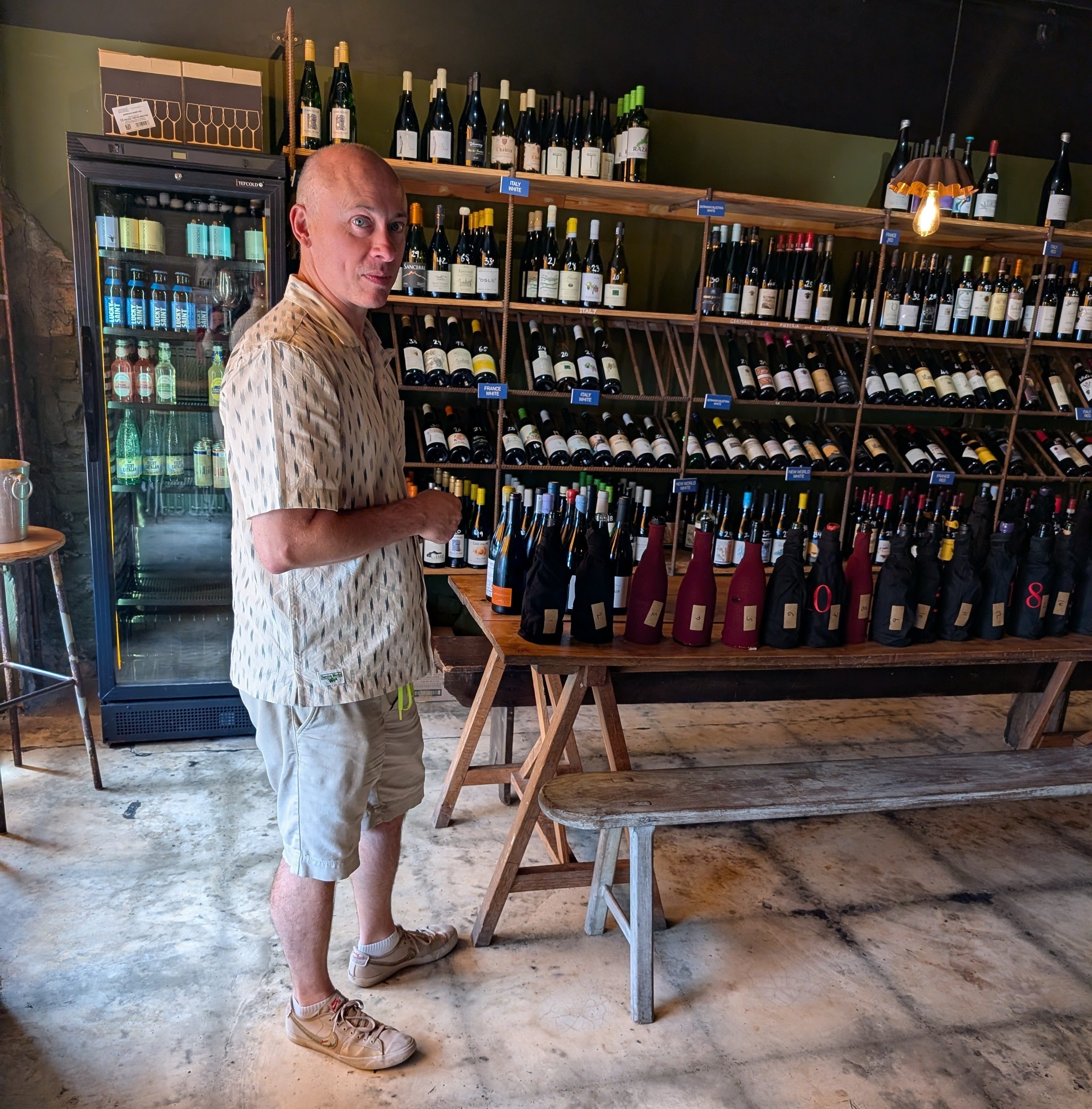
But also I remember the breaks in the clouds such as a tasting organised by Matt Walls in September 2021. The sun was shining, we were at the Draper’s Arms in Islington and we had dozens of bottles of wine to taste. It was the first Cin City - a blind tasting of the world’s best cinsaults which came mainly from South Africa, France and Chile.
I wrote a little love letter to this variety a few years back which paid subscribers can read here. Originally from France, cinsault is widely planted in warmer climates especially the Languedoc, South Africa, Chile and Lebanon but was traditionally used to make cheap reds, pinks or even brandy. Cinsault’s problem is that if it’s not controlled, it can produce huge quantities of dilute grapes. Randall Grahm from Bonny Doon in California told me:
“one of the biggest challenges to successfully growing cinsault is keeping the size of the bunches and ultimately the yield under control. Vigorous sites, rich soils don’t work well for cinsault.”
In Chile cinsault is known ominously as ‘cargadora’ - the loaded one. In the ‘60s and ‘70s, cinsault was so unloved in South Africa that according to Cape wine expert Malu Lambert it was “literally being used to lubricate the press. Cabernet sauvignon and its tiny berries would clog up the press, when this happened cinsault would be added as a lubricant.”
From the 1980s, large quantities of cinsault were ripped out all over the world. Along with carignan, cinsault was public enemy number one in France. Growers in the Languedoc were given money to replace it with ‘improving’ varieties like syrah or cabernet sauvignon. Cinsault went from one of the most planted varieties in South Africa to something of a rarity. While in Lebanon and Chile, producers went mad for Bordeaux varieties. But in the last ten years growers have discovered what can be done with this variety on its own.
At its best, if yields are controlled, cinsault produces something that tastes not unlike a wild spicy pinot noir - think notes of maraschino cherry, cinnamon and almond. Or you might find darker fruit and herbal quality not unlike gamay. Cinsault can produce some of the most gorgeously drinkable heady wines in the world or in some cases watery plonk.
Last time South African romped home. The winner was AA Badenhorst’s Ringmuur Cinsault with the next three places going to the Cape, and Lebanon in fourth with Domaine des Tourelles. So what has changed in five years? The rematch took place at John Dory wine bar and shop in Folkestone which is owned by Walls’ wife Louisa and the food writer Zeren Wilson. The judging panel this time consisted of Walls, a noted Rhone expert, Natalie Earl from Decanter magazine and me.
Overall we tasted 52 wines against last time’s 37. This time France came out on top. A sign that the French are now taking cinsault more seriously. But also Walls couldn’t get hold of so many South African wines this time especially from AA. Badenhorst wines which impressed so much last time. There’s also some personal taste at work here as well because I generally rated the Cape wines higher than the other two.
France and South Africa dominated. The few Chilean entries were on the whole not that great. A couple were unpleasantly reductive. While the sole Lebanese, Domaine des Tourelles, and California, Birichino, entries did not impress this time - I’m not sure why as both scored very highly last time around.
They are hard wines to score because the best have a straightforward deliciousness that really defies analysis. They don’t tend to be the most concentrated or intense and I don’t think many of them will benefit from ageing. In fact some of the older bottles, though still interesting, had lost their distinctive cinsault-ness. This is all good news for people who like drinking wine rather than cork sniffers. Most of my favourites were about £20-25. If you like Beaujolais, cool climate pinot noir or frappato from Sicily, they you’ll love cinsault.
Anyway the aggregated top five were:
Domaine Allegria, Spirale 2024
Domaine du Pas de ‘Escalette, Ze Cinsault 2024
Mas Cal Demoura, Belle Fiolle
So a dominant showing from France. My own top five, however, is rather different.
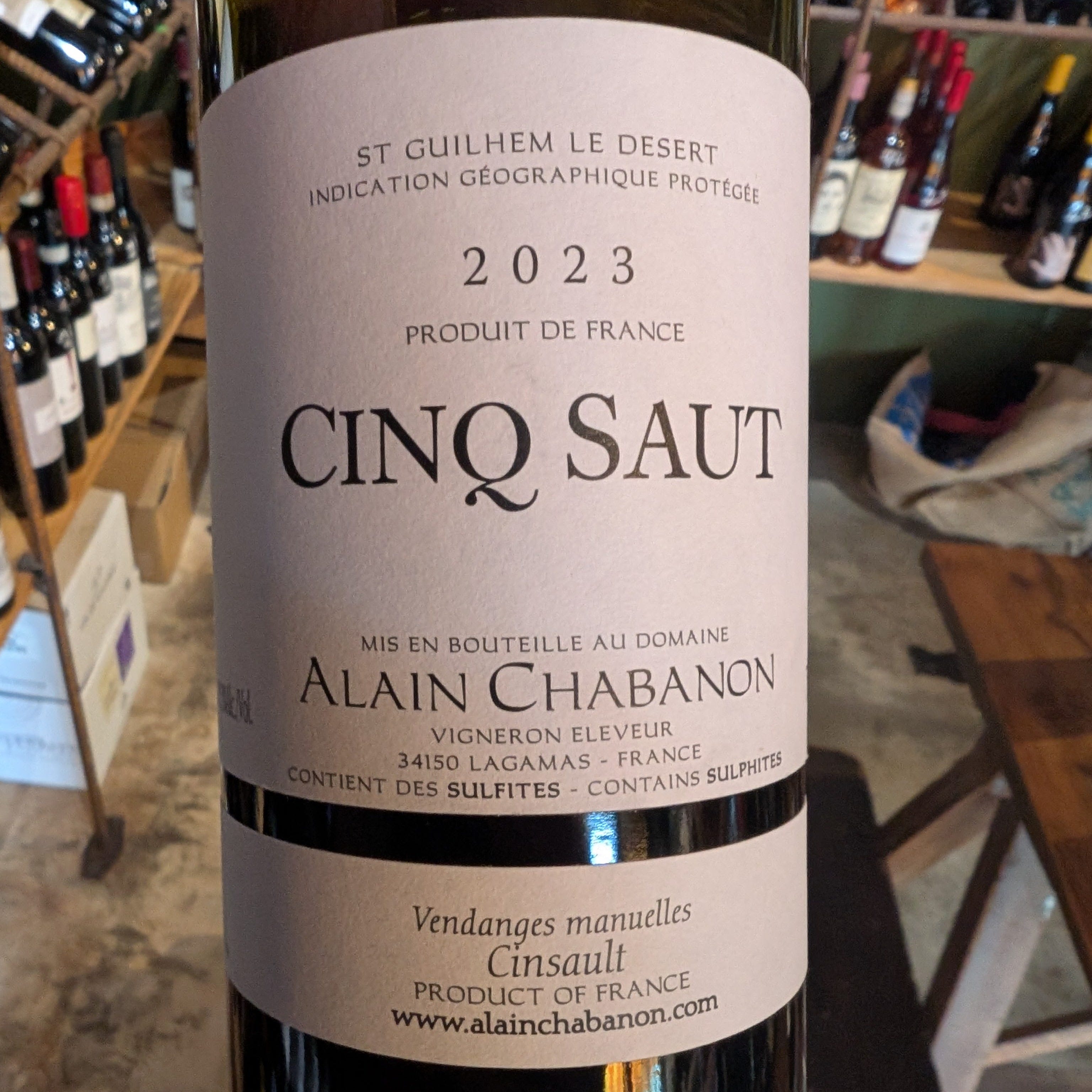
Alain Chabanon, Cinq Saut 2023
Domaine Sainte Marie des Crozes, l’Escapade, 2024
I also want to put honourable mentions for a couple of wines which I liked very much: Wildeberg Terroirs Cinsault (£17.50) and Bosman Twyfelin Cinsault (£23) which aren’t expensive and available - though I tasted different vintages.
Though France came out on top, annoyingly I can’t find retail stockists for most of them. You might be able to find them in restaurants. So while it seems that France has come out on top, South Africa wins on availability. Which is what matters in the end.